
Advanced Dental Care Archives
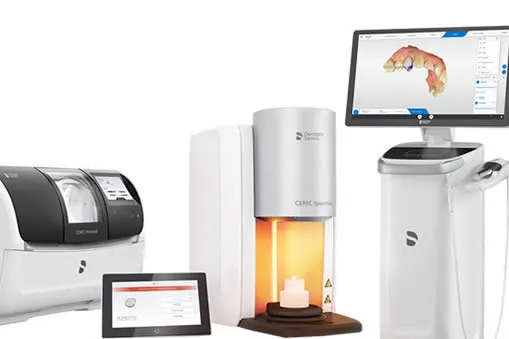
CEREC 3D
Say goodbye to the days of multiple appointments, messy impressions, and uncomfortable temporary crowns. With CEREC, you can have a new, custom-designed and perfectly-fitted crown in just one visit to our Marlton dental office. That’s right – no more waiting for weeks to get your permanent crown, and no more dealing with uncomfortable and ill-fitting temporary crowns. Keep reading to learn more about the amazing benefits of CEREC crowns and why they are quickly becoming the go-to choice for dental restorations.
What is CEREC?
CEREC crowns, also known as Chairside Economical Restoration of Esthetic Ceramics, is a cutting-edge dental technology that allows dentists to create and place custom-designed ceramic crowns in just one visit. This revolutionary system uses computer-aided design and manufacturing (CAD/CAM) technology to create a 3D image of the damaged tooth, which is then used to mill a perfectly-fitted ceramic crown right in the dentist’s office. CEREC crowns are strong, durable, and designed to match the natural color and shape of your teeth, making them an ideal choice for restoring damaged or decayed teeth. With CEREC, patients can enjoy a fast, comfortable, and convenient dental restoration experience that delivers outstanding results.
The Advantages Of CEREC
Same-Day Dentistry
ADDITIONAL FREQUENTLY ASKED QUESTIONS ABOUT CEREC CROWNS
Are CEREC restorations as strong as traditional restorations?
Yes, CEREC restorations are made from high-quality ceramic material that is both strong and durable, making them a reliable and long-lasting choice for dental restorations.
Is the CEREC process more expensive than traditional restorations?
The cost of CEREC restorations can vary depending on a range of factors, including the complexity of the restoration and the location of the dental office. However, in many cases, CEREC can be more cost-effective than traditional restorations due to the elimination of multiple dental appointments.
How long do CEREC restorations last?
CEREC restorations are designed to be durable and long-lasting. With proper care and maintenance, they can last for many years.
Is the CEREC process painful?
No, the CEREC process is typically painless and minimally invasive. Your dentist will use local anesthesia to ensure your comfort during the procedure.
Are there any risks associated with CEREC restorations?
CEREC restorations are considered safe and effective. However, as with any dental procedure, there is a small risk of complications, such as sensitivity or discomfort.
Are same-day crowns covered by insurance?
Dental insurance plans typically offer similar coverage for both same-day crowns and traditional crowns. However, the percentage of coverage can vary between plans and usually ranges from 50% to 80%. To determine your specific benefits, it is best to consult with your dental team. They can provide you with a detailed explanation of your insurance plan, file a pre-authorization for the procedure, and give you a more accurate estimate of your final out-of-pocket cost.
Is there a dentist near me in Marlton that offers CEREC crowns?
Yes. At our Marlton dental office we offer CEREC crowns to patients in Marlton and the surrounding area. Contact our office today to schedule an appointment.

Emergency Dentistry
EMERGENCY DENTISTRY
When a dental emergency strikes, it can be a stressful and painful experience. Whether you’re suffering from a severe toothache, a broken tooth, or any other urgent dental issue in Marlton or the surrounding area it’s crucial to seek immediate care and attention to alleviate your discomfort and prevent further damage. At our dental office, we understand the importance of providing timely emergency dentistry services to our patients in their time of need. Our team of experienced and compassionate dental professionals is dedicated to providing top-quality care to address any urgent dental issue and restore your oral health.
Our Dental Office Can Help With The Following:
***If you are experiencing severe pain, bleeding, or a medical emergency, please dial 911.***
- Severe toothache
- Broken or cracked tooth
- Knocked-out tooth
- Loose or missing filling or crown
- Fractured or dislocated jaw
- Pain or discomfort caused by orthodontic appliances
- Tooth decay or infection that is causing pain or discomfort
- Broken dentures or other dental appliances
- Sudden, unexplained changes in the appearance of teeth or gums
- Recurrent infections or abscesses in the mouth or gums.
- Gum or tooth abscess
- Bleeding gums
- Infection or swelling in the mouth or jaw
- Dislodged tooth or dental restoration
- Trauma to the mouth or teeth
- Pain or swelling after a dental procedure
- Pain or swelling after an injury to the face or jaw
- Oral bleeding that won’t stop
- A foreign object lodged in the mouth or teeth
- Pain Relief for Sore Gums
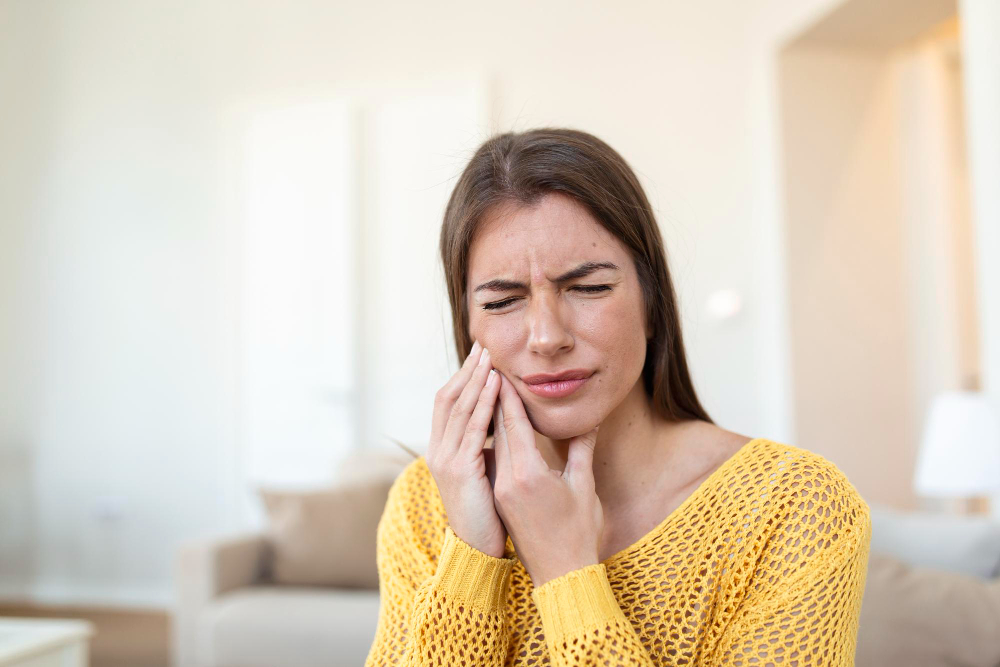
TMJ Treatment
If you’ve ever experienced pain or discomfort in your jaw, you may have heard of TMJ, short for temporomandibular joint disorder. This condition affects millions of people worldwide and can cause a variety of symptoms, from headaches and ear pain to difficulty chewing and speaking. At South Jersey Center For Advanced Dentistry, we understand the impact that TMJ can have on your daily life, and we are here to provide comprehensive care and support to help you find relief. There are various treatment options available, depending on the severity and type of TMJ disorder. These may include lifestyle changes, such as stress management and jaw exercises, or more advanced therapies, such as dental splints, medications, or surgery. A proper diagnosis and personalized treatment plan from our dentist at South Jersey Center For Advanced Dentistry in cityname can help you find relief and improve your quality of life. Whether you’re a long-time sufferer or just starting to notice symptoms, we’re here to help you get back to feeling your best.
What is Temporomandibular disorder (TMD) or temporomandibular joint disorder (TMJ)?
Temporomandibular disorder (TMD), also known as temporomandibular joint disorder (TMJ), is a condition that affects the joint that connects the jawbone to the skull. This joint is one of the most complex joints in the human body, and when it is not functioning properly, it can cause a range of painful symptoms.
Symptoms of TMD can include pain or tenderness in the jaw, face, or neck, difficulty opening or closing the mouth, clicking or popping sounds when opening or closing the mouth, and headaches. Some people with TMD may also experience a locking of the jaw, making it difficult to open or close the mouth.
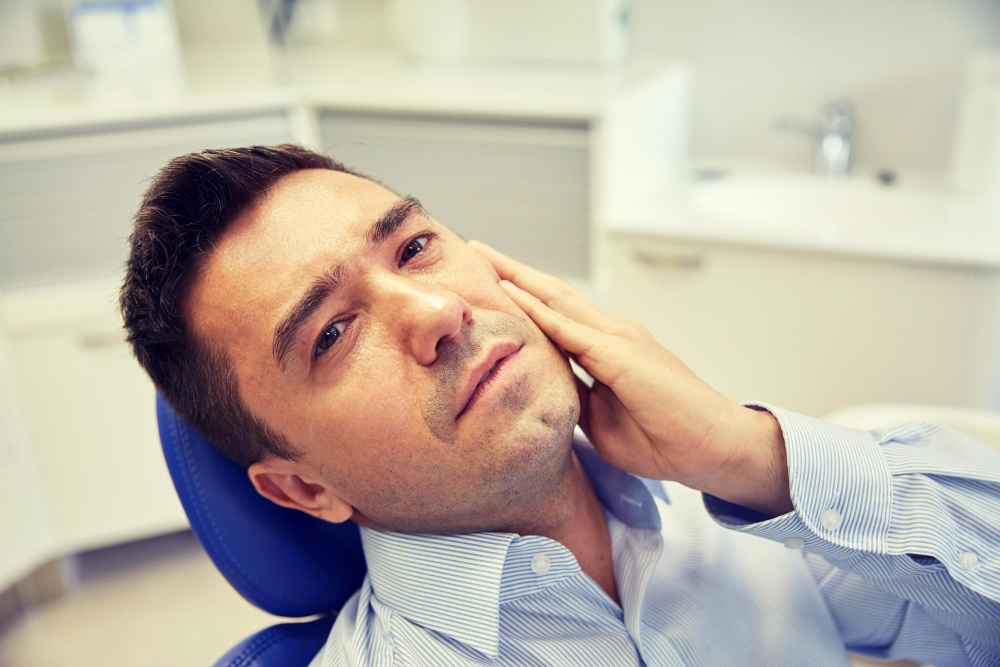
The causes of TMD are not always clear, but several factors have been identified as potential triggers. These can include a misalignment of the teeth or jaw, teeth grinding or clenching, arthritis in the joint, and injuries or trauma to the jaw.
Diagnosing TMD can be challenging, as there is no single test to confirm the condition. A healthcare provider will typically perform a physical exam, take a medical history, and order imaging tests, such as X-rays or an MRI, to rule out other potential causes of the symptoms. Additionally, dentists may use diagnostic techniques such as measuring the range of motion of the jaw or assessing the patient’s bite to aid in the diagnosis of TMJ.
Unusual TMJ symptoms
There are certain signs of TMJ that often go ignored because people don’t realize there is a correlation. These signs include:
- Hearing loss: In rare cases, TMJ can cause hearing loss or tinnitus (ringing in the ears). This is because the temporomandibular joint is located close to the ear, and when it is not functioning properly, it can affect the surrounding tissues.
- Neck and shoulder pain: TMJ can cause pain and tension in the neck and shoulders, as well as headaches and migraines. This is because the muscles and nerves in the jaw and face are interconnected with those in the neck and shoulders.
If you experience any of these symptoms or signs, it’s important to schedule a consultation with our Marlton TMJ dentist to determine if TMJ treatment is necessary.
Common Symptoms of Temporomandibular joint disorder (TMJ)
Jaw Pain
Pain in the jaw is one of the most common symptoms of TMJ. The pain may be felt in one or both sides of the jaw and may be dull or sharp in nature. The pain may also be accompanied by a feeling of tightness or stiffness in the jaw.
Clicking or Popping Sounds
Many people with TMJ experience clicking or popping sounds when they open or close their mouth. These sounds are caused by the movement of the jawbone over the disc that separates the jawbone from the skull.
Difficulty Chewing or Opening the Mouth
TMJ can make it difficult to chew food or open the mouth wide. Some people may feel like their jaw is “locked” or “stuck” in a certain position, making it difficult to move the jaw at all.
Headaches?
TMJ can cause tension headaches, which are often felt in the temples or the back of the head. These headaches are caused by the muscle tension that is associated with TMJ.
Ear Pain or Ringing
TMJ can cause pain or ringing in the ears. This is because the temporomandibular joint is located close to the ear, and when it is not functioning properly, it can affect the surrounding tissues.
Facial Pain
TMJ can also cause pain in the face, particularly around the cheekbones or temples. This pain may be constant or intermittent and may be accompanied by a feeling of pressure or tightness in the face.
More Questions about TMJ?
Contact our office today to schedule a consultation. We can answer any questions about TMJ treatment and address any issues unique to your specific situation. We look forward to seeing you.

What to expect during A TMJ examination
Expect Questions
During the exam, our dentist will ask you questions about your medical history and any symptoms you are experiencing in order in pinpoint the source of discomfort.
Expect A Physical Exam
Our dentist will perform a physical examination of the jaw, including checking for pain or tenderness and assessing your range of motion. You will be asked to open and close your jaw in order to check your bite and alignment.
Expect Xrays
We may also take X-rays or other imaging tests to further evaluate the joint and surrounding structures. Based on the findings, your dentist will develop an appropriate treatment plan to help manage your TMJ symptoms.
Ready for a TMJ consult?
Contact our office today to schedule a consultation. We can answer any questions you have about TMJ and address any issues unique to your specific situation.
Lifestyle Modifications and home remedies
For most patients, TMJ symptoms can be improved with some of the following lifestyle modifications:
- Reduce stress and practice relaxation techniques
- Use over the counter pain relievers, and anti-inflammatories
- Practice jaw exercises as instructed by your dentist
- Use warm compresses
- Eat softer food during TMJ flareups
- Avoid chewing gum
- Be mindful of overextending the jaw when yawning
- Massage therapy can relieve tension in the jaw muscles and reduce TMJ pain
If you experiencing TMJ pain, call us to schedule a TMJ evaluation with our Marlton TMJ dentist.
TMJ Treatment Options
For those with moderate to severe TMJ symptoms, treatment options include:
- Bite correction: Custom dental splints called “mouth guards” can reduce and manage TMJ pain. A bruxism mouthguard will help provide cushioning against tooth grinding and reduce pain. A TMJ mouthguard will also reduce clenching and keep the teeth aligned. For some patients, orthodontic treatment provides the perfect solution. Dental braces can straighten the teeth and aligning the jaws to eliminate TMJ pain.
- Injections: Injections of corticosteroid can reduce inflammation and chronic jaw pain. Botox injections can also be used to paralyze the jaw muscles to alleviate symptoms and prevent clenching.
Arthroscopy, anthrocentesis and jaw surgery are options for the most severe cases of TMJ. These are procedures that are only performed by oral or maxillofacial surgeons and should only be considered after non-invasive options have been exhausted.
If you are suffering from TMJ pain, call us today for a consultation.

Why is TMJ treatment necessary?
TMJ treatment is necessary to alleviate pain and discomfort associated with TMJ disorders. If left untreated, TMJ disorders can worsen and cause long-term damage to the jaw joint and surrounding structures. TMJ treatment can improve jaw function and restore proper alignment of the jaw. It can also improve overall quality of life by reducing pain, headaches, and other symptoms associated with TMJ disorders.
ADDITIONAL FREQUENTLY ASKED QUESTIONS ABOUT TMJ TREATMENT
What is TMJ, and how is it treated?
TMJ stands for temporomandibular joint disorder, which is a condition that affects the jaw joint and surrounding muscles. Treatment for TMJ can vary depending on the severity of the disorder, but can include lifestyle modifications, bite correction with splints or mouthguards, injections, arthroscopy and arthrocentesis, and in rare cases, surgery.
What are the different types of dental splints for TMJ treatment?
There are two main types of dental splints for TMJ treatment: TMJ mouthguards and bruxism (tooth grinding) mouthguards. A TMJ mouthguard is a hard piece of plastic that repositions and stabilizes the jaw, while a bruxism mouthguard can be made of either hard plastic or soft and pliable material to cushion and reduce pain associated with clenching.
What are corticosteroid injections, and how do they help with TMJ?
Corticosteroid injections help reduce inflammation and pain in the TMJ joint, and can provide temporary relief from TMJ symptoms. The procedure is minimally invasive and takes less than 30 minutes with no recovery time.
How does Botox help with TMJ, and what are the side effects?
Botox is a neurotoxin that paralyzes the muscles in the jaw, preventing clenching and alleviating TMJ symptoms. The procedure is minimally invasive with minimal side effects.
Is there a dentist near me in Marlton that offers TMJ treatment?
Yes. At our Marlton dental office we offer TMJ treatment to patients from Marlton and the surrounding area. Contact our office today to schedule an appointment.
3D Imaging
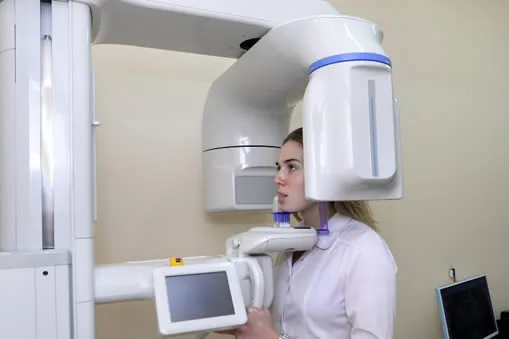
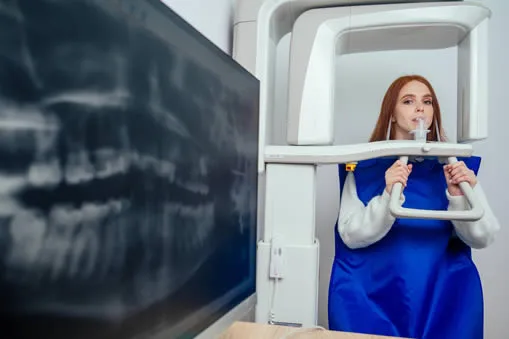
At our Marlton dental office, we are committed to providing our patients with the most advanced and effective treatments available. One of the technologies we use to achieve this goal is Cone Beam CT (CBCT) 3D imaging. This advanced imaging technique uses a cone-shaped X-ray beam to create highly detailed 3D images of your teeth, jaw, and surrounding structures. With CBCT scans, we can visualize your dental anatomy from every angle, allowing us to diagnose and plan treatments with greater precision and accuracy. CBCT imaging is an essential tool for a range of dental procedures, from dental implant placement and orthodontic treatment to TMJ disorder diagnosis and treatment planning. By incorporating CBCT technology into our Marlton dental practice, we can provide our patients with the highest level of care and achieve the best possible outcomes for their dental health.
What is Cone Beam CT 3D Imaging?
Cone beam computed tomography (CT) is a specialized x-ray machine used when regular dental or facial x-rays are insufficient. While not used routinely due to increased radiation exposure compared to regular dental x-rays, cone beam CT generates highly detailed 3-D images of dental structures, soft tissues, nerve paths, and bone in the craniofacial region in a single scan. This allows for precise treatment planning, similar to conventional CT imaging. Unlike conventional CT, dental cone beam CT uses a smaller, less expensive machine that can be placed in an outpatient office. While cone beam CT provides detailed images of the bone, it is not as effective as conventional CT in evaluating soft tissue structures such as muscles, lymph nodes, glands, and nerves. However, it does offer lower radiation exposure, making it a safer option for patients.
What are some common uses of the procedure?
Dental cone beam CT is commonly employed to aid in the treatment planning of various dental issues. It is especially useful in more complex cases that involve:
- Surgical planning for impacted teeth
- Diagnosis of temporomandibular joint disorder (TMJ)
- Accurate placement of dental implants
- Evaluation of the jaw, sinuses, nerve canals, and nasal cavity
- Detection, measurement, and treatment of jaw tumors
- Determination of bone structure and tooth orientation
- Identification of the origin of pain or pathology
- Cephalometric analysis
- Reconstructive surgery
How should I prepare?
Preparation for a cone beam CT examination is simple and straightforward.
Before the procedure, you will need to remove any metal objects that may interfere with the imaging, including jewelry, eyeglasses, hairpins, and hearing aids. While removable dental work may also need to be taken out, it is recommended to bring them to your examination as your dentist or oral surgeon may need to examine them.
For female patients, it’s crucial to inform your dentist or oral surgeon if there is any chance that you might be pregnant. You can refer to the Safety page for more information about the risks of x-rays during pregnancy. Otherwise, there is no special preparation required for the examination.
What are the advantages vs. risks?
Advantages:
- Cone beam CT produces high-quality images due to the focused x-ray beam, reducing scatter radiation.
- A single scan provides a comprehensive evaluation of the area of interest, with multiple views and angles that can be manipulated.
- Cone beam CT scans provide more precise treatment planning compared to conventional dental x-rays.
- CT scanning is accurate, noninvasive, and painless.
- CT scanning can simultaneously image bone and soft tissue.
- There is no residual radiation left in the body after a CT exam.
Risks:
- Although the immediate side effects of the x-rays used in CT scanning are negligible, there is always a slight risk of cancer from excessive radiation exposure. However, the benefits of an accurate diagnosis usually outweigh the risks.
- Children are more sensitive to radiation and should only have CT exams if they are necessary for a diagnosis. Repeated CT exams should be avoided, and low-dose techniques should be used for CT scans in children.
FREQUENTLY ASKED QUESTIONS ABOUT Cone Beam CT (CBCT) 3D imaging
How is CBCT different from traditional dental x-rays?
CBCT 3D imaging provides a much more detailed view of a patient’s teeth, jaws, and facial structures than traditional dental X-rays. It produces high-resolution, three-dimensional images that can be viewed from any angle.
Is CBCT 3D imaging painful?
No, CBCT 3D imaging is a painless procedure. The patient simply needs to sit or lie still while the machine rotates around their head.
How long does a CBCT 3D imaging procedure take?
A CBCT 3D imaging procedure typically takes between 10 and 40 seconds, depending on the area being imaged.
Can children have CBCT 3D imaging?
Yes, children can have CBCT 3D imaging. However, the dose of radiation used is lower for children than for adults.
How long does a CBCT 3D imaging procedure take?
Answer: A CBCT 3D imaging procedure typically takes between 10 and 40 seconds, depending on the area being imaged.
Is there a dentist near me in Marlton that offers 3D cone beam scan?
Yes. At our Marlton dental office we offer cone beam 3D imaging to patients in Marlton and the surrounding area. Contact our office today to schedule an appointment.

Sleep Apnea Treatment
Sleep apnea is a common but often undiagnosed sleep disorder that affects millions of people worldwide. It is characterized by interrupted breathing during sleep, resulting in brief awakenings throughout the night and causing feelings of exhaustion and fatigue during the day. While there are several different types of sleep apnea, the most common form is called obstructive sleep apnea (OSA), which occurs when the muscles in the back of the throat fail to keep the airway open during sleep. Risk factors for sleep apnea include obesity, smoking, alcohol consumption, and age, and it can lead to serious health complications if left untreated.
What is Sleep Apnea
Sleep apnea is a common sleep disorder that affects millions of people worldwide, yet it often goes undiagnosed. It is a condition that causes a person to experience breathing interruptions during sleep, resulting in sleep disturbances and daytime fatigue. There are various forms of sleep apnea, including obstructive sleep apnea, central sleep apnea, and complex sleep apnea syndrome. While anyone can develop sleep apnea, it is more common in people who are overweight, over the age of 40, or have a family history of the condition. If left untreated, sleep apnea can lead to more severe health complications. However, with early detection and appropriate treatment, people with sleep apnea can enjoy a better quality of life.
What are the different types of sleep apnea?
Sleep apnea is characterized by episodes of breathing cessation during sleep, which can cause a range of health problems, including heart disease, diabetes, and hypertension. There are four types of sleep apnea, each with unique causes and symptoms:
Obstructive Sleep Apnea (OSA)
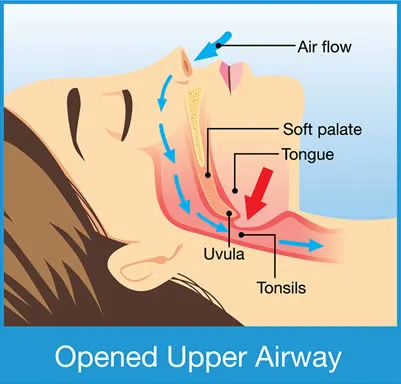
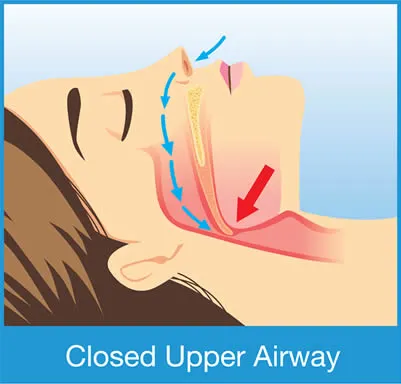
Obstructive sleep apnea is the most common type of sleep apnea. It occurs when the muscles in the back of the throat fail to keep the airway open during sleep. As a result, the individual may snore loudly, gasp for breath, and wake up frequently throughout the night. OSA is more common in individuals who are overweight, have a family history of sleep apnea, or have a narrow airway.
Central Sleep Apnea (CSA)
Central sleep apnea is a less common type of sleep apnea that occurs when the brain fails to send signals to the muscles that control breathing. As a result, the individual may experience pauses in breathing or shallow breaths during sleep. CSA is more common in individuals with certain medical conditions, such as heart failure or stroke.
Complex Sleep Apnea Syndrome (CompSA)
Complex sleep apnea syndrome is a relatively new type of sleep apnea that combines the characteristics of both OSA and CSA. It occurs when an individual with OSA is treated with continuous positive airway pressure (CPAP) therapy, but their central apneas persist. This condition is also known as treatment-emergent central sleep apnea.
Mixed Sleep Apnea:
Mixed sleep apnea is a combination of obstructive and central sleep apnea. It occurs when the muscles in the back of the throat partially block the airway, but the brain also fails to send signals to the muscles that control breathing. This type of sleep apnea can be difficult to diagnose, as the symptoms can be similar to those of OSA or CSA.
More Questions about Sleep Apnea?
Contact our office today to schedule a consultation.
What are common symptoms or signs of sleep apnea?
Sleep apnea is a common sleep disorder that affects millions of people. Here are some common symptoms of sleep apnea:
- Loud and persistent snoring
- Pauses in breathing during sleep
- Gasping or choking during sleep
- Daytime sleepiness and fatigue
- Morning headaches
- Difficulty concentrating or remembering things
- Irritability and mood changes
- Decreased libido
- Dry mouth or sore throat upon waking
- Restless sleep or insomnia
- Breathing through the mouth during sleep
- Night sweats
If you experience any of these symptoms or signs, it’s important to schedule a consultation at our Marlton dental office to determine if a oral appliance is necessary.
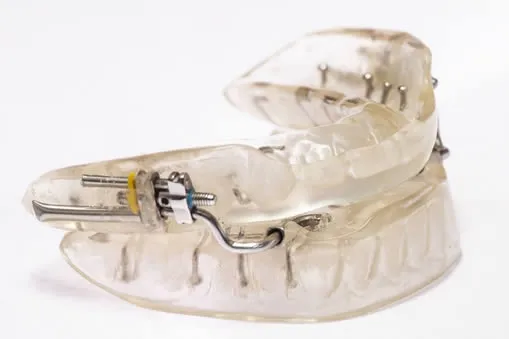
What are the types of oral devices that treat sleep apnea and how can a dentist help?
Dentists can help with sleep apnea by providing oral appliance therapy. Sleep apnea is a sleep disorder in which a person’s breathing repeatedly stops and starts during sleep. One type of sleep apnea, called obstructive sleep apnea (OSA), occurs when the muscles in the back of the throat fail to keep the airway open, causing breathing to stop for brief periods.
Oral appliance therapy involves using a custom-fitted oral appliance, similar to a mouthguard or retainer, to help keep the airway open during sleep. The appliance is worn in the mouth and works by repositioning the jaw or tongue to prevent the airway from collapsing. This can improve airflow and reduce the number of apnea events that occur during the night.
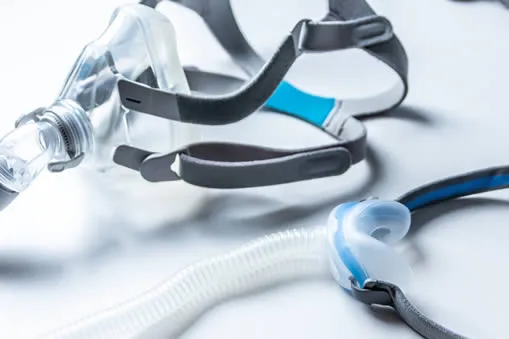
Oral appliances are a non-invasive treatment option for sleep apnea that can be used in place of or in addition to continuous positive airway pressure (CPAP) therapy. Here are some common types of oral appliances used to treat sleep apnea:
- Mandibular advancement devices (MADs) are the most commonly used oral appliance for sleep apnea. MADs work by repositioning the lower jaw slightly forward to help keep the airway open. These appliances are custom-made by a dentist or orthodontist and may require adjustments over time to ensure optimal results.
- Tongue retaining devices (TRDs) are another type of oral appliance used to treat sleep apnea. These appliances work by holding the tongue in a forward position to prevent it from blocking the airway during sleep. TRDs may be less effective than MADs for some individuals, particularly those with larger tongues or smaller mouths.
- Combination devices are oral appliances that combine the features of both MADs and TRDs. These appliances work by holding the lower jaw and tongue in a forward position to help keep the airway open. Combination devices may be more effective than MADs or TRDs alone for some individuals.
- Palatal lift devices are a less common type of oral appliance used to treat sleep apnea. These appliances work by lifting the soft palate and opening up the airway. Palatal lift devices may be suitable for individuals who are unable to tolerate other types of oral appliances.
Note that oral appliances may not be suitable for everyone with sleep apnea. The appropriate type of appliance will depend on the individual’s specific needs and preferences, as well as the severity of their sleep apnea. Contact our South Jersey Center For Advanced Dentistry to schedule an appointment to explore your sleep apnea options.
What are factors that affect sleep apnea?
Sleep apnea can lead to a range of health problems, including high blood pressure, heart disease, and stroke. There are many factors that can affect the severity of sleep apnea and understanding these factors can help individuals take steps to reduce their risk of developing sleep apnea and manage the condition effectively.
- Lifestyle factors, such as obesity, alcohol consumption, and smoking, can increase the risk of developing sleep apnea. Obesity is a significant risk factor, as excess body fat can cause the airway to narrow, leading to breathing difficulties during sleep. Alcohol consumption and smoking can also increase the risk of sleep apnea, as they can relax the muscles in the throat and disrupt normal breathing patterns.
- Genetics can also play a role in sleep apnea. Studies have shown that sleep apnea tends to run in families, and certain genetic factors may increase the risk of developing the condition. For example, a study published in the American Journal of Respiratory and Critical Care Medicine found that mutations in a gene called PHOX2B may increase the risk of developing central sleep apnea.
- Medical conditions such as high blood pressure, heart disease, and diabetes can increase the risk of developing sleep apnea. In some cases, sleep apnea may also be a symptom of an underlying medical condition. For example, individuals with thyroid problems or neurological disorders may be more likely to develop sleep apnea.
- Age and Gender – Sleep apnea is more common in older adults and men. As individuals age, the muscles in the throat may weaken, making it more difficult to keep the airway open during sleep. Men are also more likely to develop sleep apnea than women, although the risk increases for women after menopause.
- Sleep position can also affect the severity of sleep apnea. Sleeping on the back can cause the tongue and soft tissues in the throat to block the airway, leading to breathing difficulties. In contrast, sleeping on the side can help keep the airway open and reduce the risk of sleep apnea.
What are statistics related to sleep apnea?
Sleep apnea is a common sleep disorder in the United States that affects millions of people:
- Prevalence: It is estimated that around 22 million Americans suffer from sleep apnea, with about 80% of cases going undiagnosed.
- Risk Factors: Sleep apnea can affect people of all ages and genders, but certain factors can increase the risk of developing the condition. These include obesity, smoking, alcohol use, family history of sleep apnea, and having a large neck circumference.
- Economic Burden: Sleep apnea can have a significant economic impact on individuals and society as a whole. It is estimated that sleep apnea costs the US economy around $150 billion per year in lost productivity, healthcare costs, and motor vehicle accidents.
- Comorbidities: Sleep apnea has been linked to several comorbidities, including hypertension, cardiovascular disease, type 2 diabetes, depression, and stroke.
- Treatment: Continuous positive airway pressure (CPAP) therapy is a common treatment for sleep apnea, but studies have shown that adherence to therapy can be challenging. Other treatments for sleep apnea include lifestyle modifications, oral appliances, and surgery.
- Sleep Apnea in Children: Sleep apnea is not just a condition that affects adults. It is estimated that around 2-4% of children in the US suffer from sleep apnea, which can lead to behavioral and learning problems, as well as growth issues.
ADDITIONAL FREQUENTLY ASKED QUESTIONS ABOUT SLEEP APNEA
What is sleep apnea?
Sleep apnea is a sleep disorder characterized by pauses in breathing or shallow breaths during sleep.
What are the common symptoms of sleep apnea?
Common symptoms of sleep apnea include loud snoring, pauses in breathing during sleep, daytime sleepiness, morning headaches, and dry mouth or sore throat upon waking.
How do mandibular advancement devices (MADs) work?
MADs work by repositioning the lower jaw slightly forward to help keep the airway open.
What are tongue retaining devices (TRDs)?
TRDs are oral appliances that work by holding the tongue in a forward position to prevent it from blocking the airway during sleep.
Is there a dentist near me in Marlton that offers sleep apnea treatment?
Yes. At our Marlton dental office we offer sleep apnea treatment to patients in Marlton and the surrounding area. Contact our office today to schedule an appointment.
Helpful Related Links
- American Dental Association (ADA). Glossary of Dental Terms.
- American Academy of Cosmetic Dentistry® (AACD). Home Page.
- WebMD. WebMD’s Oral Care Guide.